


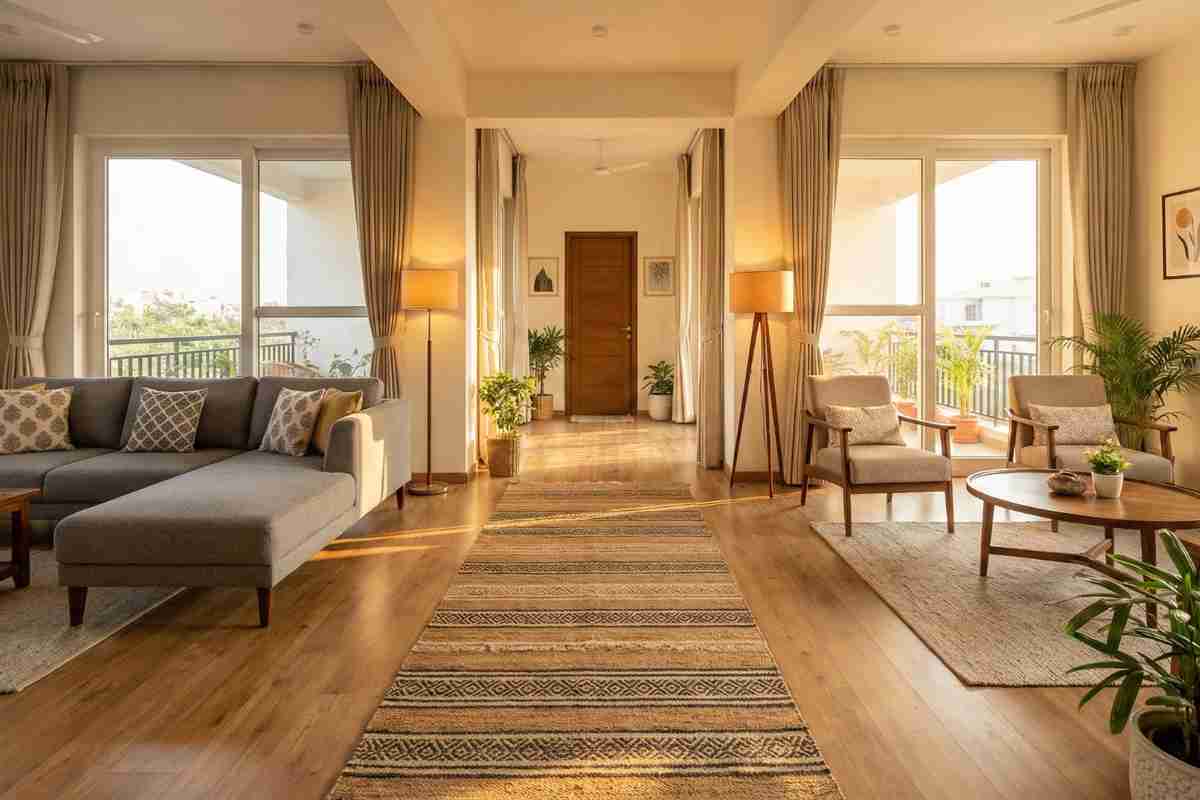


12 Rules to Arrange Living Room Furniture for Comfort and Style
The living room is where people gather, relax, watch movies, entertain guests, and make memories. So the way you arrange your living room furniture matters a lot. It affects the comfort of the space, the way you move around, and even how welcoming your home feels. A well arranged living room does not require a huge budget or interior design expertise. You just need a few smart rules that help you place each furniture piece in the right spot. Whether your living room is big or small, open or compact, these rules will help you create a layout that looks balanced, stylish, and easy to live in. Here are the top 12 rules for arranging living room furniture like a pro.

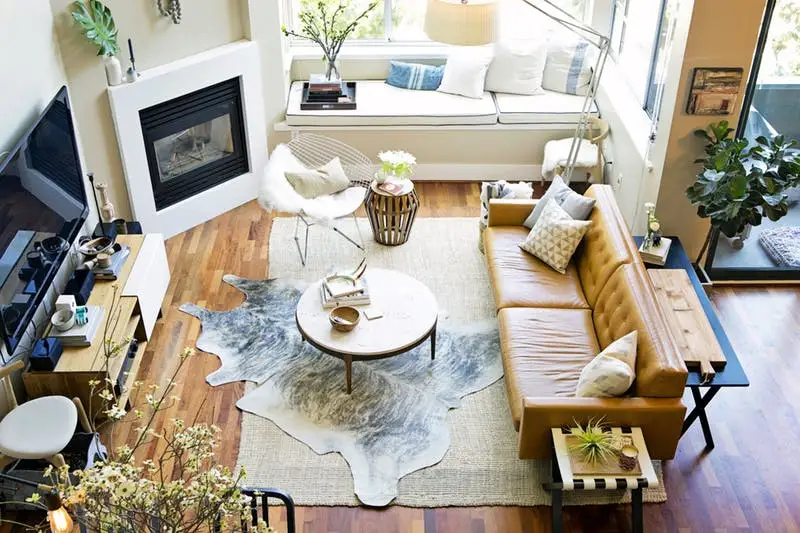
1. Start With a Clear Focal Point
Every living room needs something that naturally catches the eye. It could be a fireplace, a big window with a nice view, a TV unit, or even a statement wall with decor or artwork. Once you decide the focal point, arrange the seating around it so the room feels structured and intentional. The focal point gives direction to the layout and makes the room feel grounded.
2. Make It Easy to Talk and Connect
The living room is mainly a social space, so furniture should help conversation flow comfortably. Arrange sofas and chairs so people can see each other without shouting or turning too far. A U shaped, L shaped, or curved seating arrangement works great for family and guest interactions. Try to keep seats no more than 8 feet apart to maintain closeness.
3. Create Clear Walkways
Everyone should be able to move easily through the living room without bumping into furniture. Keep at least 2.5 to 3 feet of open path between major furniture pieces. If the living room connects to other areas like the kitchen or balcony, make sure the walkways remain open and instinctive for daily use.
4. Make the Sofa the Anchor of the Room
Most living rooms center around the sofa since it takes up the most space and is used most often. Place the sofa in the best spot visually and practically, usually facing the focal point. Once the main sofa is placed, it becomes easier to add side chairs, tables, or ottomans around it in a balanced way.
5. Balance the Room With Proper Furniture Sizes
If your furniture is too large, the room feels cramped. If it is too small, the space looks empty and awkward. Try to keep proportions consistent. A large sectional looks best in a big living room while a small sofa and two armchairs suit a compact space. Mixing bulky furniture with very tiny decor pieces creates imbalance, so keep everything visually proportional.
6. Use a Rug to Define the Layout
A good rug can instantly organize the living room and anchor the seating area. As a rule, the rug should be large enough to fit under all front legs of the sofa and chairs. In bigger rooms, a rug that accommodates all legs creates a more unified look. Avoid tiny rugs because they break up the seating arrangement and make the room feel smaller than it is.
7. Keep the Coffee Table Within Easy Reach
The coffee table should be placed within arm’s reach of everyone sitting. Ideally, leave 14 to 18 inches between the sofa edge and the table. The height should be roughly the same level as the seat cushions. A properly sized coffee table supports comfort and practicality while also tying the seating layout together.
8. Place Side Tables Thoughtfully
Side tables are not just decorative pieces. They serve an important function, especially when someone needs to place a drink, book, or phone. Each chair or end of the sofa should have a side table nearby, but not so close that the space feels cluttered. Tables that match or coordinate nicely with each other will help maintain a cohesive style.
9. Light the Room in Layers
Lighting is crucial in bringing out the beauty of your furniture arrangement. Instead of relying only on overhead lights, use floor lamps beside sofas, table lamps on side tables, and wall sconces if possible. Multiple light sources create warmth and add depth, highlighting different parts of the room while making everything feel cozier and more inviting.
10. Decorate Walls Without Overcrowding Them
Artwork, mirrors, and wall decor should help balance the room’s visual weight. Large walls behind the sofa look great with a big artwork, a gallery wall, or a decorative mirror. Spread decor evenly throughout the room so one side does not feel heavier than the other. The goal is harmony, not clutter. A well chosen wall decor piece adds personality while supporting the overall layout.
11. Consider Multiple Zones in a Big Living Room
If you have a large living room, do not leave empty wasted areas. Divide the room into functional zones such as a main seating zone, a reading nook, a small desk area, or a space for kids to play. Each zone should still connect naturally so the room feels cohesive. Using rugs and furniture placement can help visually separate the spaces in a stylish way.
12. Add Personal Touches and Comfort Items
Once the large furniture pieces are placed correctly, finishing touches bring the room to life. Add throws, cushions, plants, books, candles, or décor accessories that reflect your personality. These elements soften the structure of the room and create a lived in feel that guests find welcoming. Your living room should look stylish but also comfortable enough for everyday relaxation.
Why These Furniture Arrangement Rules Matter
Arranging furniture is not only about aesthetics. It affects how you feel and behave in your home. When a living room is organized well, people can sit comfortably, move easily, and enjoy a pleasant atmosphere. Proper layout makes the space look larger, cleaner, and more functional, and it helps focus attention where it matters most. These rules save you time and prevent expensive design mistakes.