


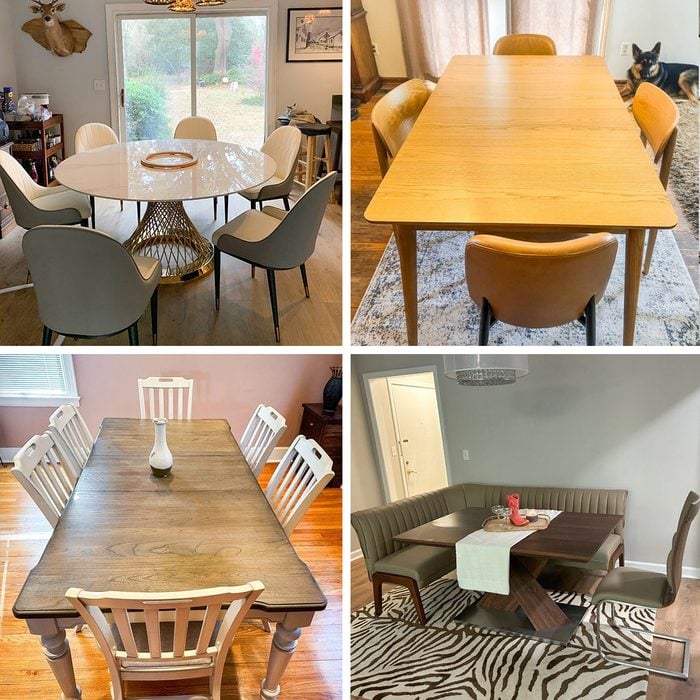


Choosing the best dining table material is more than just a style decision; it’s a long-term investment in your home’s functionality and ambiance. The dining table serves as the heart of a household, a place for meals, memories, and meaningful conversations. With so many dining room furniture types available today, understanding the pros and cons of popular materials like wood, glass, and marble is essential to make an informed choice that balances beauty, durability, and practicality.
Wooden dining tables are classic and versatile, easily blending into both modern and traditional decor. They’re sturdy and long-lasting, especially hardwoods like oak, teak, or walnut. Wood also offers a warm, inviting feel and can withstand daily wear and tear. However, it may be prone to scratches and needs occasional maintenance, like polishing, to preserve its charm.
Glass dining tables add a sleek, modern look to any space. They’re excellent for smaller dining areas as they visually open up the room. Glass is also easy to clean and resistant to stains. On the downside, it can chip or shatter under impact and may show fingerprints or smudges more easily.
Marble dining tables are the epitome of luxury and elegance. As one of the best stones for dining table choices, marble stands out for its unique veining and timeless appeal. It’s durable and heat-resistant, making it ideal for serving hot dishes. However, marble is heavy, expensive, and requires sealing to prevent stains and etching from acidic foods.
Each material reflects a different aspect of the many types of dining tables and chairs available today. Your choice should align with your lifestyle, interior design goals, and maintenance preferences to ensure it remains a centerpiece for years to come.
Why Your Dining Table Material Matters

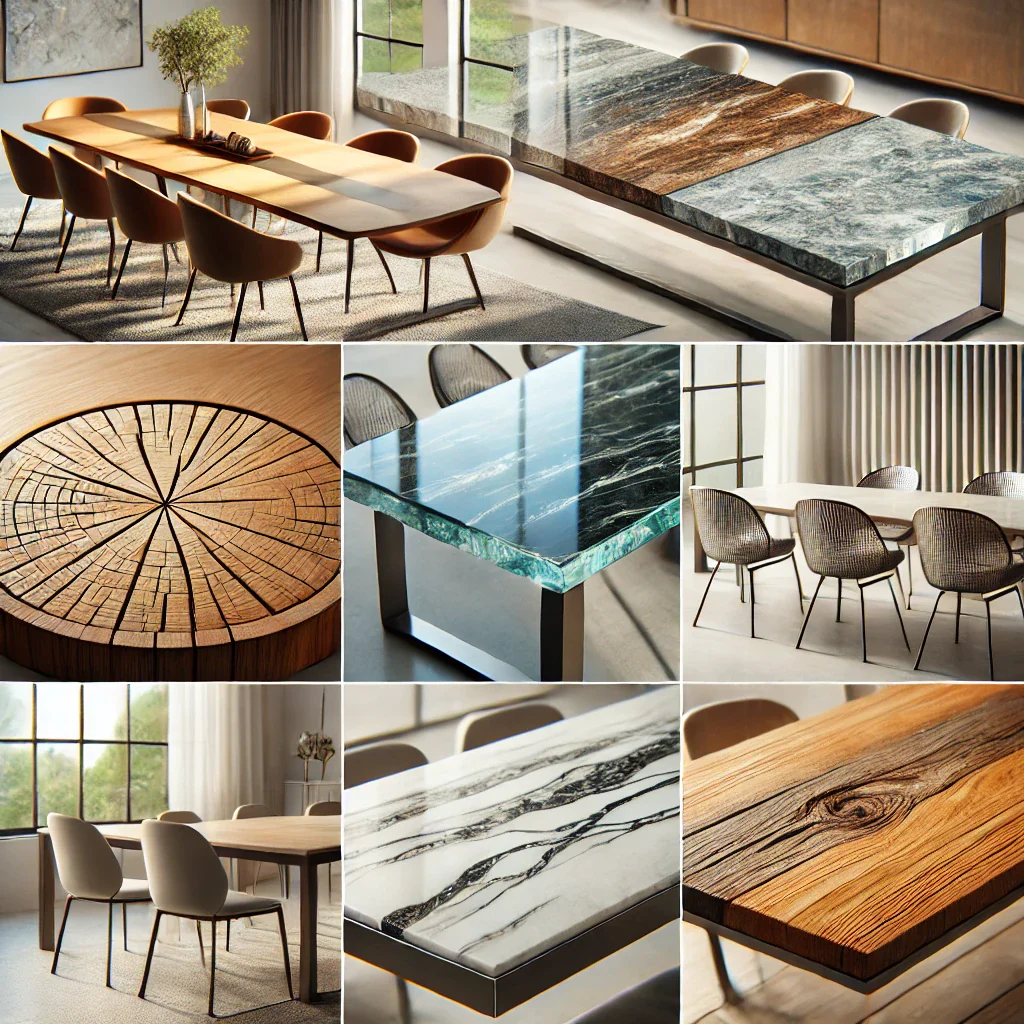
The material of your dining table plays a pivotal role in shaping the ambiance, functionality, and longevity of your dining space. It’s not just about looks, your choice impacts how well the table integrates into your lifestyle, how it holds up over time, and how it complements the overall decor theme of your home. Whether you’re entertaining guests or enjoying everyday meals, selecting the best dining table material ensures both practicality and aesthetic appeal.
For instance, a wooden table lends warmth and a rustic charm that’s perfect for cozy family settings. It’s forgiving in terms of scratches and wear, especially with a distressed finish, making it ideal for households with children or frequent gatherings. On the other hand, a glass dining table introduces a clean, minimalist look, suitable for small apartments or contemporary spaces. It reflects light, creating an illusion of more space, but may require frequent cleaning and careful handling.
If opulence is your style, a luxury marble dining table can elevate your dining area with its rich textures and natural veining. Not only is it one of the most durable and heat-resistant materials, but it also serves as a conversation piece. However, marble is heavy, porous, and requires regular maintenance to avoid stains factors that may not suit every lifestyle.
A modern luxury dining table often combines materials like metal bases with stone or tempered glass tops, offering a perfect blend of style and substance. These tables suit urban, design-forward homes where visual appeal is as crucial as usability.
Ultimately, choosing the right material ensures your dining table is more than just furniture; it becomes a reflection of your personal style, needs, and the way you live.
Glass Dining Tables
Glass dining tables are a popular choice for homeowners seeking a sleek, contemporary look. With their clean lines and reflective surfaces, these tables embody modern elegance and minimalism. Whether you live in a compact apartment or a spacious open-plan home, a modern glass dining table can instantly elevate the ambiance by adding a sense of lightness and sophistication.
One of the standout features of glass is its ability to enhance natural light. Its reflective quality brightens up the room and creates a feeling of openness, making it ideal for smaller or dimly lit spaces. Unlike solid wood or stone, glass doesn’t visually block space, allowing other elements in the room, like rugs, chairs, or statement lighting to shine through. This transparency is what makes glass such a favorite in interior design circles.
There are various shapes and styles to suit different preferences. A round glass dining table is perfect for fostering conversation and creating a cozy, intimate setting. It’s also a safe choice for families with children due to the absence of sharp corners. Meanwhile, a rectangular glass dining table offers more seating space and fits seamlessly into formal dining rooms or longer dining areas.
When selecting a glass table, it’s essential to opt for a tempered glass dining table, which is significantly stronger and more durable than regular glass. Tempered glass is heat-resistant, scratch-resistant, and less likely to shatter, making it a safer and more practical option for daily use.
Glass tables pair beautifully with a wide range of chair styles and base materials, be it chrome, wood, or metal, offering flexibility in design. With their light-enhancing properties and timeless appeal, glass dining tables remain a go-to choice for those who value both form and function.
Marble Dining Tables
Marble dining tables are synonymous with luxury and timeless elegance. Known for their distinctive veining and polished finish, marble tables bring a sense of grandeur and sophistication to any dining space. Their solid, weighty presence not only adds visual drama but also signals a level of refinement often associated with high-end homes and designer interiors.
A luxury marble dining table serves as more than just functional furniture; it’s a statement piece that instantly elevates the overall decor. Each slab of marble is unique, with natural patterns and variations that make every table one-of-a-kind. Whether paired with metallic accents, minimalist chairs, or bold lighting fixtures, marble effortlessly commands attention and adds a touch of opulence.
Available in various shapes, round marble dining tables are perfect for creating an intimate dining experience, encouraging face-to-face conversation, and a balanced visual flow. They work beautifully in square rooms or open layouts where symmetry and social engagement are key. On the other hand, a rectangular marble dining table is ideal for larger gatherings and more formal settings. It offers ample space for hosting and aligns well with longer dining rooms or narrow spaces.
A modern marble dining table often combines marble tops with sleek metal or minimalist wooden bases, blending tradition with contemporary design sensibilities. While marble is heat-resistant and incredibly durable, it does require regular sealing and maintenance to prevent staining from acidic foods and liquids.
Despite its maintenance needs, marble remains a preferred choice for those who value aesthetics as much as functionality. With proper care, marble dining tables can last a lifetime, making them a worthy investment for homeowners looking to infuse their dining areas with timeless beauty and luxury.
Wood Dining Tables
Wood dining tables have long been cherished for their warmth, versatility, and timeless appeal. From rustic farmhouse styles to sleek contemporary designs, wood remains one of the most popular and enduring choices for dining room furniture. It brings a natural charm to any space while offering durability that can last for generations with proper care.
A solid wood dining table is particularly valued for its strength and authenticity. Made from hardwoods like oak, teak, walnut, or maple, these tables age beautifully, often developing a rich patina over time. They resist wear and tear better than veneered or composite alternatives, making them an ideal option for families and daily use.
While often associated with traditional decor, wood can easily be adapted to modern interiors. A modern wood dining table typically features clean lines, minimalist silhouettes, and lighter stains or natural finishes. This contemporary approach allows wood to fit seamlessly into open-concept living spaces and design-forward homes, offering both elegance and everyday functionality.
A round wood dining table is great for creating a cozy, intimate dining environment. It encourages conversation and eliminates harsh corners, making it safer for homes with children. Round tables are also space-efficient, perfect for smaller dining rooms or kitchen nooks.
Beyond aesthetics, wood also enhances the atmosphere of a room. It absorbs and reflects natural light in a way that creates warmth and visual comfort, unlike colder materials such as metal or glass. It’s this tactile and organic quality that makes wood dining tables so appealing, they offer a grounded, welcoming presence in any dining setting.
Whether you’re drawn to classic craftsmanship or minimalist design, a wood table offers unmatched versatility and enduring style, making it a smart, soulful choice for the heart of your home.
Maintenance Tips for Dining Tables


Proper care and maintenance are essential to preserve the beauty and functionality of your dining table, no matter the material. Whether you own a wooden, glass, or marble table, following the right practices can significantly extend its lifespan and keep it looking as good as new.
Wood Dining Tables:
The best way to clean wooden furniture is by using a soft, damp cloth followed by a dry wipe to prevent moisture absorption. Avoid harsh chemicals; instead, opt for mild soap solutions or vinegar-water mixes. Apply furniture polish or wax occasionally to maintain its luster and shield against wear. Wondering how to protect wood from scratches? Use placemats, tablecloths, and coasters to prevent damage from hot dishes, spills, and sharp objects. Also, be mindful of direct sunlight and humidity, which can cause wood to warp or fade. Regular dusting helps maintain both wooden dining tables and how to clean wood cabinets in your dining space.
Glass Dining Tables:
To clean glass, use a streak-free glass cleaner or a mix of vinegar and water. Always wipe with a microfiber cloth to avoid smudges or lint. Protect the surface by avoiding abrasive materials and placing rubber or felt pads under tableware. Though tempered glass is durable, it can still chip or crack under impact, so handle it with care.
Marble Dining Tables:
Marble is porous and requires regular sealing to prevent staining. Clean spills immediately using a pH-neutral cleaner or mild dish soap diluted in water. Avoid using acidic substances like lemon or vinegar. Use placemats and coasters to prevent etching and surface dulling. Periodic polishing can restore its shine and elegance.
With the right care routine, your dining table, regardless of material, can stay stunning and sturdy for years to come.
FAQs
What are the main differences between wood, glass, and marble dining tables?
The primary differences between wood, glass, and marble dining tables lie in aesthetics, maintenance, and durability. Wood tables offer warmth and versatility, fitting into both traditional and modern settings. They’re durable and relatively easy to maintain with proper care. Glass tables, on the other hand, create a sleek, minimalist look, enhancing light flow and making spaces appear larger. However, they require regular cleaning and are more prone to scratches and breakage. Marble tables are luxurious and timeless, known for their unique veining and durability. While they are heat-resistant and durable, marble requires regular sealing and maintenance to avoid stains and etching from acidic substances.
Which dining table material is the most durable: wood, glass, or marble?
In terms of durability, marble is generally the most robust material for dining tables, thanks to its density and resistance to heat. However, it is prone to staining from acidic substances and needs careful maintenance. Wood is also very durable, particularly hardwoods like oak or walnut, though it can be susceptible to scratches and warping if not maintained properly. Glass is the least durable of the three, as it is prone to chipping, scratching, or even breaking if mishandled.
How do I clean and maintain a wood dining table?
To clean a wood dining table, use a soft, damp cloth to wipe away dirt and spills, followed by a dry cloth to prevent moisture damage. For deep cleaning, you can use a mild soap solution or a vinegar-water mix. Regularly apply wood furniture polish or wax to protect the surface and maintain its shine. Be mindful of humidity and direct sunlight, which can cause wood to warp or fade.
How can I prevent scratches on my wood dining table?
To prevent scratches on your wood dining table, always use placemats, coasters, and tablecloths when dining or entertaining. Consider investing in a table runner or protective pads under decorative items. Regularly check for signs of wear and apply a furniture polish or wax that helps create a protective barrier. Avoid dragging heavy items across the surface.
Which dining table material works best for a modern or minimalist home?
For a modern or minimalist home, a glass dining table is a perfect choice due to its sleek, transparent surface that adds a sense of openness and lightness to the space. It complements minimalist design by not visually cluttering the room. A modern wood dining table with clean lines and a light finish can also be a great fit, offering a warm, yet simple aesthetic that fits seamlessly with minimalist décor. A luxury marble dining table may also work for a more opulent, sophisticated look but may be less suitable for minimalist interiors due to its heavy presence.